Madeira’s history
The Discovery of the Atlantic Pearl: A 600-Year Legacy
They didn’t find Madeira by map; they found it by watching the clouds.
Back in 1419, Portuguese explorers João Gonçalves Zarco and Tristão Vaz Teixeira noticed a heavy, dark bank of clouds on the horizon while sailing the Atlantic. Most sailors feared it was the edge of the world or a permanent storm. But Zarco had a hunch. He sailed toward the clouds and discovered an island so densely forested that they named it “Madeira” (which literally means Wood).
From Deep Forests to Sugar Gold
When the first settlers arrived, the island was an impenetrable wilderness of ancient Laurel trees (the Laurissilva forest you can still hike through today). To make the land livable, they had to clear forests and—most importantly—move water.
This led to the creation of the Levadas. These hand-carved irrigation channels are now our world-famous hiking trails, but 600 years ago, they were the island’s lifeline, carrying water from the wet north to the dry, sunny south to fuel the booming sugar industry.
Insider Fact: In the 15th century, Madeira was known as the “Isle of Saccharum” (Sugar Island). It was the world’s biggest sugar producer, making Funchal one of the wealthiest cities in the Atlantic.
The Wine that Conquered the World
As sugar production moved to the Americas, Madeira pivoted to something even more iconic: Wine.
Legend has it that sailors discovered Madeira wine gets better when heated. During long sea voyages to India, the barrels of wine would “cook” in the tropical heat of the ship’s hold. Instead of spoiling, the wine turned into the rich, fortified nectar we love today. It was even used to toast the American Declaration of Independence in 1776!
Why this history matters for your visit today
When you walk the streets of Funchal or hike a remote levada, you aren’t just looking at nature; you are walking through 600 years of human resilience.
- The Forts: Look at the yellow São Tiago Fort in Funchal—it was built to protect those valuable wine and sugar cellars from pirates.
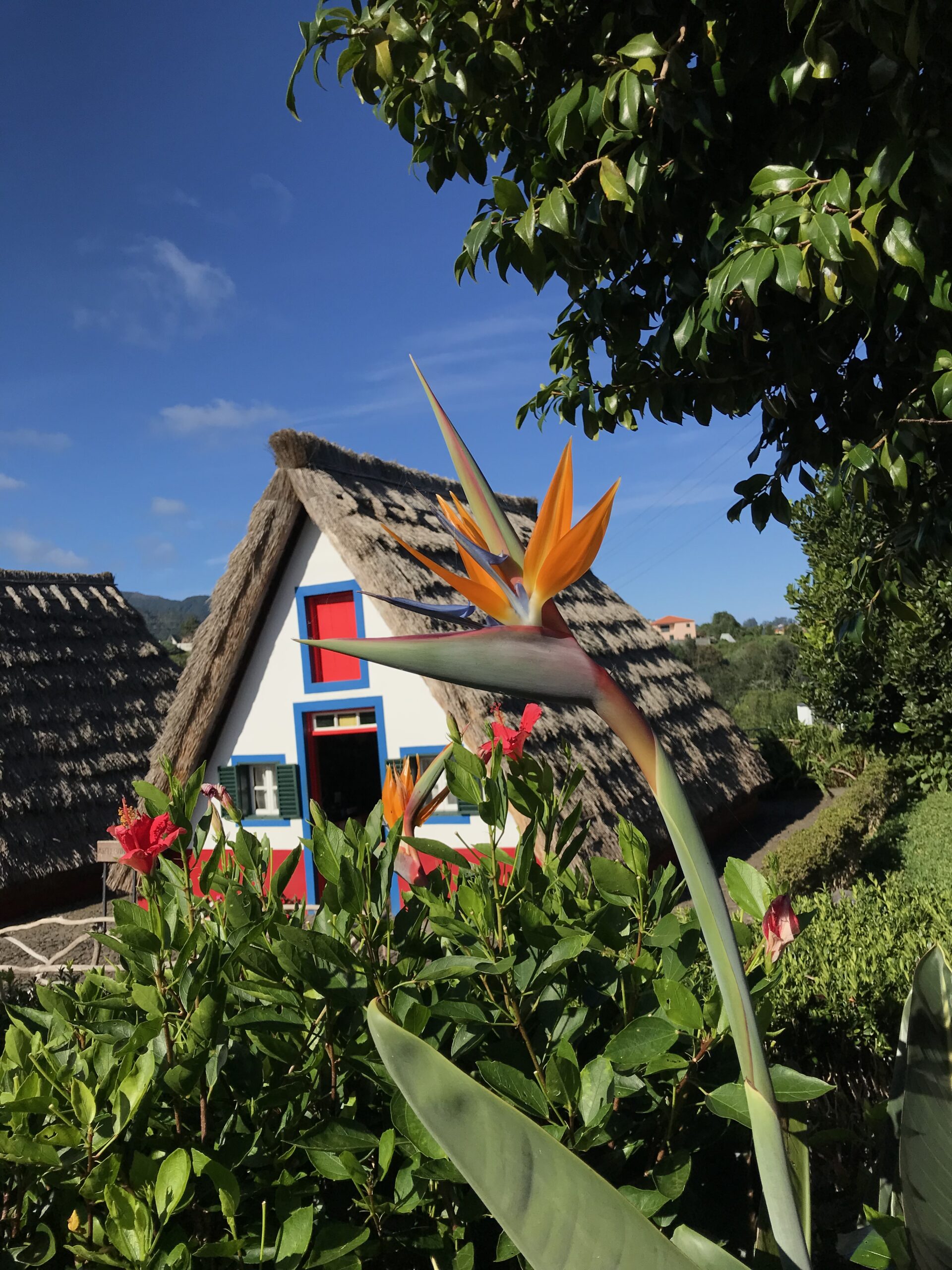
- The Gardens: The exotic flowers we see everywhere today? They were brought here by English merchants and explorers who used Madeira as a botanical “waiting room” between continents.
Living here for a year has taught us that Madeira isn’t just a destination; it’s a living museum. Every stone has a story.